DEAR HOME
A modern approach to Feng Shui
Who knew your home is shaping your thoughts, energy,
and decisions?
The environments you move through every day, your home, your workspace, the places you return to, are constantly influencing how your nervous system responds, what you focus on, and the decisions you make. Lighting, layout, objects, materials, all send signals to your brain, shaping your mood, your clarity, and your capacity to take action over time, often without conscious awareness.
This is a thousand-year-old philosophy called Feng Shui, built on the understanding that your body and energy continuously respond to the environment you are in, either supporting you or holding you back. Feng Shui is both an art and a science, rooted in ancient Chinese traditions alongside practices like acupuncture, Chinese medicine, and Taoist philosophy. If it feels abstract, it can be understood in a very practical way. Just as acupuncture works with the body by stimulating specific points to improve the flow of energy, Feng Shui works with your environment, using placement, materials, colors, and elements to support the flow of energy around you. When that flow is supported, people tend to experience more clarity, stability, and forward movement. When it is disrupted, the opposite often occurs.
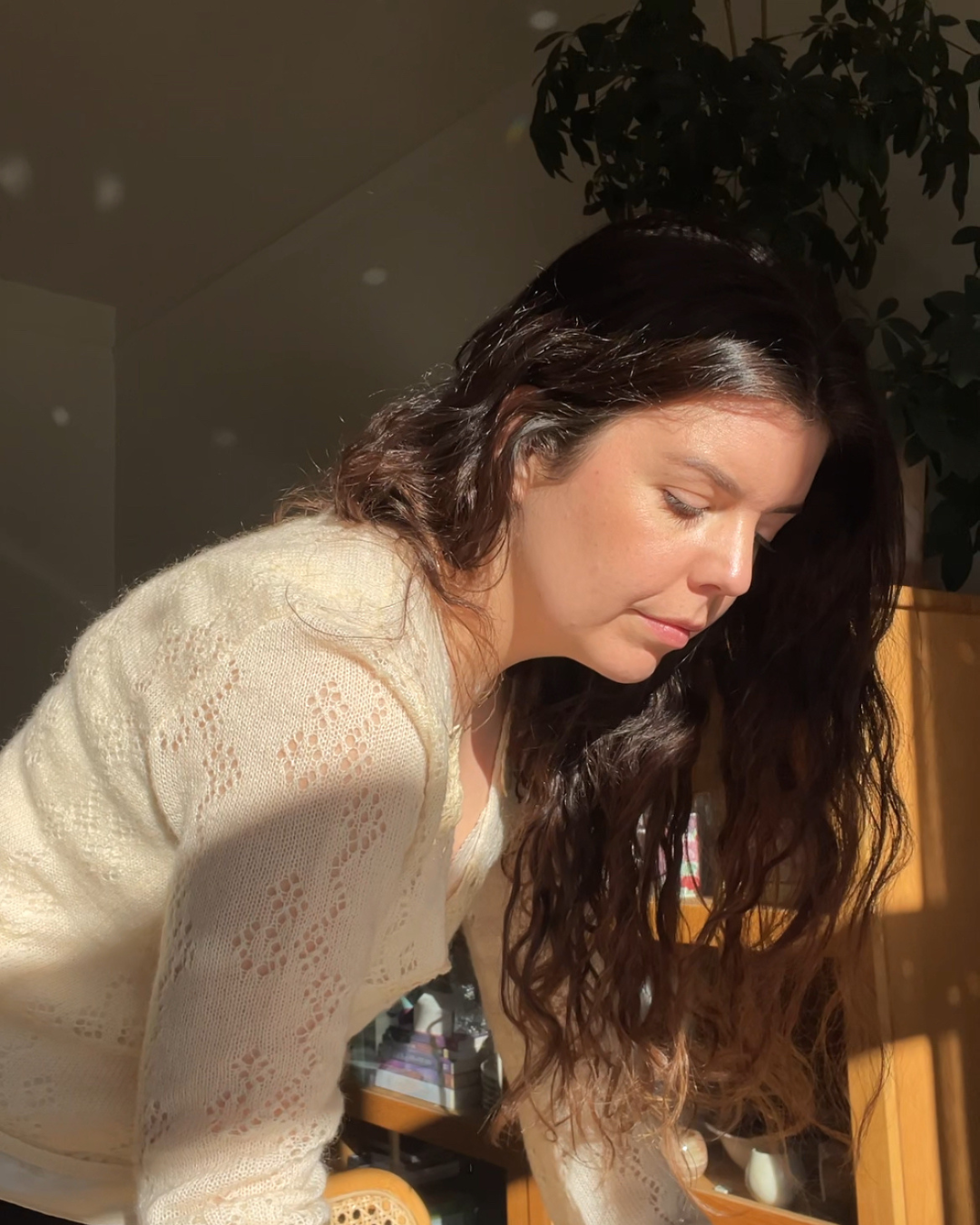
I often say that I did not choose Feng Shui, Feng Shui chose me. During the pandemic, I came across a podcast where someone was being interviewed about Feng Shui, and something in me immediately recognized it. It was not a logical decision, but a clear internal response that this was something I needed to explore further.
As I went deeper, I found myself especially drawn to the BTB, Black Sect Tantric Buddhist, approach. Rooted in ancient Chinese philosophy and later introduced to the West in the 1980s, this approach integrates both the physical environment and the role of intention and awareness. What resonated with me was its flexibility and its ability to adapt to real life, rather than forcing people into rigid rules that often create unnecessary stress or perfectionism (important to note that there is no single “right” or superior school of Feng Shui—only different approaches that align with different people and ways of living).
Before this, I spent 20 years in retail, working with visual merchandising, store environments, customer experience, and team building. I developed a strong understanding of how physical environments influence behavior, how small adjustments affect how people move, feel, and make decisions. This experience now gives me a significant advantage in my work, both in how I read spaces and how I connect with clients. I am able to understand needs on a practical level while also recognizing patterns that are less obvious.
In Human Design, my strongest sense is outer vision, which means that when I look at a space, whether it is a floor plan, photos, or during a home visit, I can quickly identify where something is not working as it should. This might show up as blocked oppertunities, imbalance in health, or other areas in life that are not supporting the person living there.
In the beginning, it was almost surprising to see how accurately I could read the challenges my clients were experiencing simply by looking at their homes and floorplan. Over time, I began to notice consistent patterns, how certain layouts, placements, or imbalances often correlated with specific types of challenges, whether that was feeling stuck in their career, struggling with clarity, relationship patterns, or a general sense of low energy. What was equally clear was what happened when those patterns were adjusted. Clients would report more aligned opportunities, new clients in their business, improved relationships, increased confidence, and in many cases a noticeable improvement in their overall wellbeing. Not as a coincidence, but as a result of shifting the environment that was influencing them daily.
This is how I work with my clients. We begin by setting a clear intention, because direction matters when you are working with any system that influences behavior and focus. From there, I analyze the space, identifying where energy is blocked, unsupported, or misaligned with the client’s goals. We then move into adjustments, releasing what no longer serves a purpose, rearranging, and introducing elements that support better flow and function. This can include layout changes, materials, colors, objects, and specific tools such as plants, scent, or other environmental cues that influence how a space is experienced.
The final step is integration, what in BTB Feng Shui is often described as connecting heaven and earth, where the physical environment and the internal intention align. This is where changes tend to stabilize and become part of everyday life, rather than something temporary.
This is also where Feng Shui differs from interior design. Interior design focuses primarily on the visual and functional aspects of a space, how it looks and how it is perceived. Feng Shui includes that, but goes further, working with how a space affects your nervous system, your behavior, and your long-term patterns. It is both practical and energetic, but also deeply rooted in a spiritual understanding of how we relate to our surroundings.
The word Feng Shui itself translates to wind and water. Wind represents the unseen, the movement of energy, the thoughts, emotions, and subtle influences that move through a space. Water represents what is tangible, what we can experience and respond to, such as colors, furniture and textures.
In this way, Feng Shui becomes more than placement and design. It becomes a practice of awareness and intention. Alongside physical adjustments, it can include rituals and what are often referred to as transcendental cures, subtle energetic shifts that support intention and help move stagnant energy.
Your home is not just where you live. It is an active environment that shapes how you think, how you feel, and what you are able to move forward with. When it starts supporting you, the results tend to follow. If you feel drawn to this work, you can explore my offerings and find the offer that fits where you are right now.
Warmly, Maria
my framework
from Start
1. SET INTENTION
Clarify what you want to bring in.
2. FIND BLOCKAGES
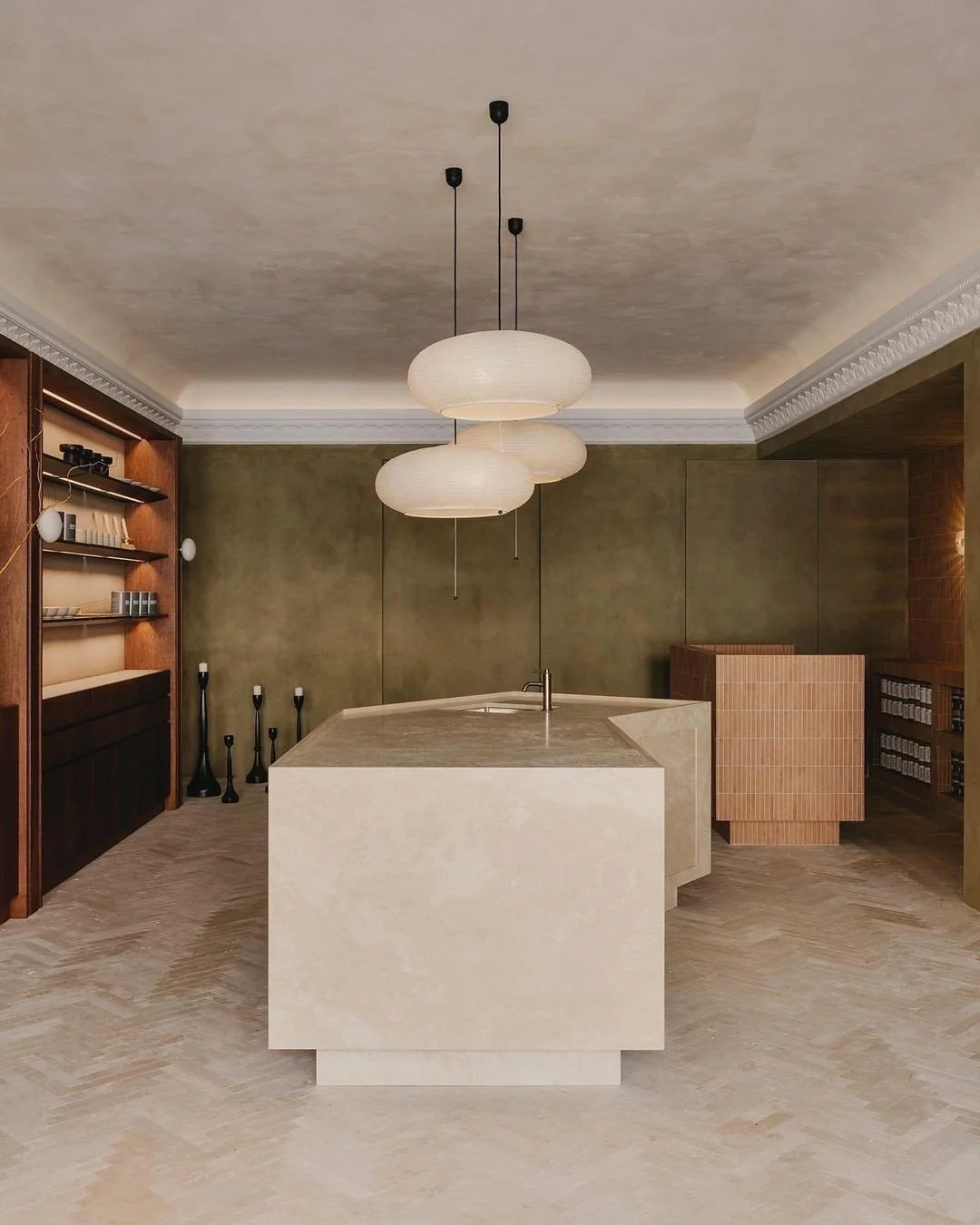
Identify what is creating resistance, stagnation, or imbalance in your home.
3. MAKE ADJUSTMENTS
Release what no longer serves you, and rearrange your home to activate your intention.
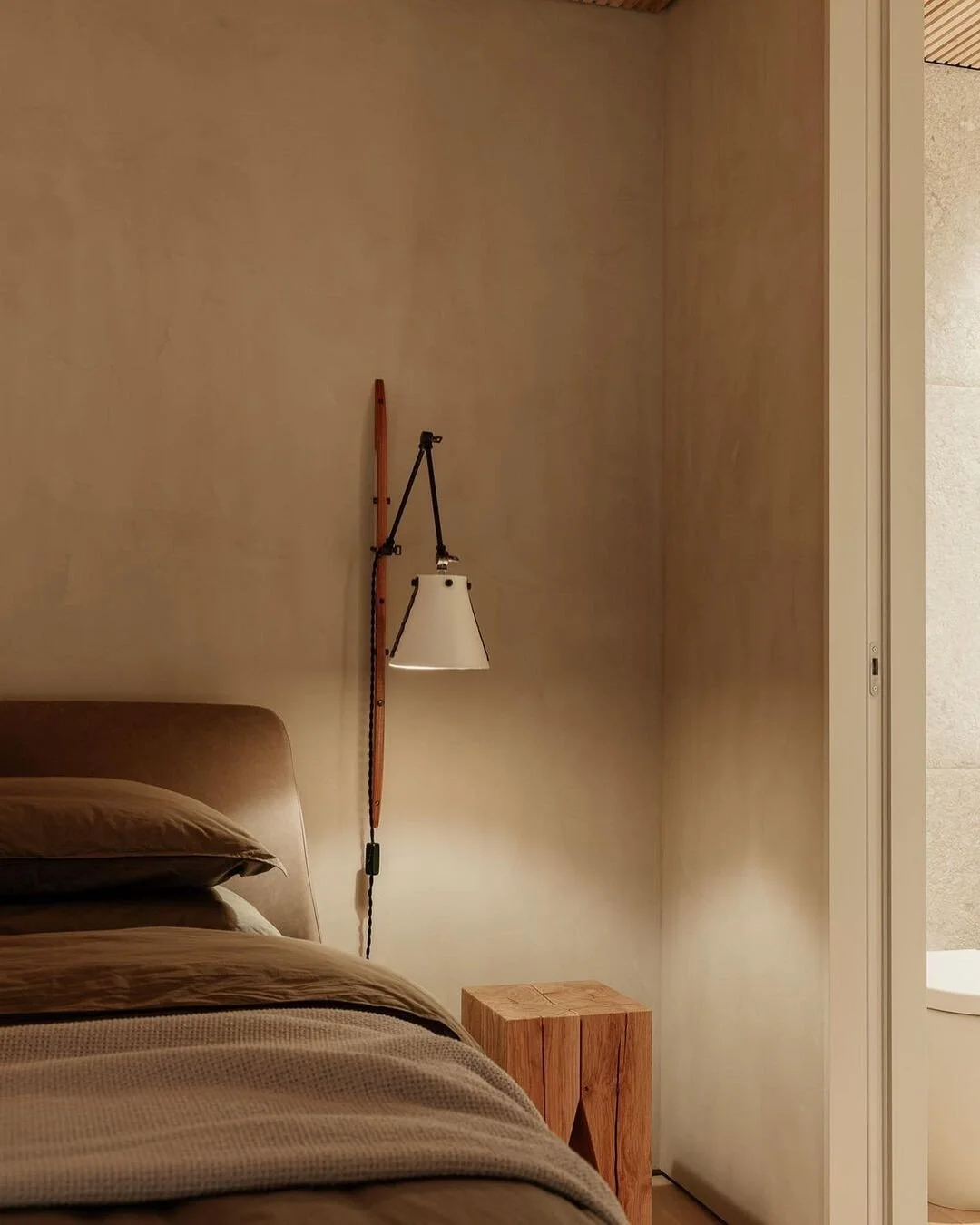
Reinforce the changes through space clearing and intentional adjustments that support lasting shifts in your environment.
4. CONNECT HEAVEN AND EARTH
to FinishHow we can work togetheR:
easy breezy feng shui
Discover how manifesting with
Feng Shui actually works.
SUCESS CODES
Align your space with your goals, focus, and next level.
SOULFUL HOME
For when you’re ready to step into
your purpose, and let your home support
who you’re becoming.
WHEN YOU’RE ready!
Get in TouchYour home shapes your energy, your clarity
and what you’re able to receive.
When you are ready to explore whats next,
I welcome you to reach out.