Feng shui explained.
If you’ve ever walked into a room and immediately felt calm, clear, or inspired, or the opposite, restless, overwhelmed, or unfocused, then you have already experienced Feng Shui in practice. Feng Shui is both an art and a science rooted in ancient Chinese philosophy, and the words themselves mean wind and water, describing how energy moves and settles in the spaces around us. Wind represents what is invisible, such as thoughts, emotions, and the atmosphere of a space, while water represents what is tangible, how energy collects, flows, and supports life. At its core, Feng Shui is about understanding how your environment affects your energy, your nervous system, and your behavior over time.
The environments you move through every day, your home, your workspace, and the places you return to, are constantly influencing how you feel, what you focus on, and the decisions you make. From a modern perspective, this can be understood through the nervous system. Your brain is continuously scanning your surroundings for signals, and elements such as light, layout, objects, clutter, colors, and flow all communicate something. These signals influence whether your body feels safe, supported, distracted, or overwhelmed, and over time this shapes your habits, your clarity, and your ability to take action. Many people try to change their life by changing their mindset or strategy, without realizing that their environment is reinforcing the very patterns they are trying to shift, and this is where Feng Shui becomes relevant in a very practical way.
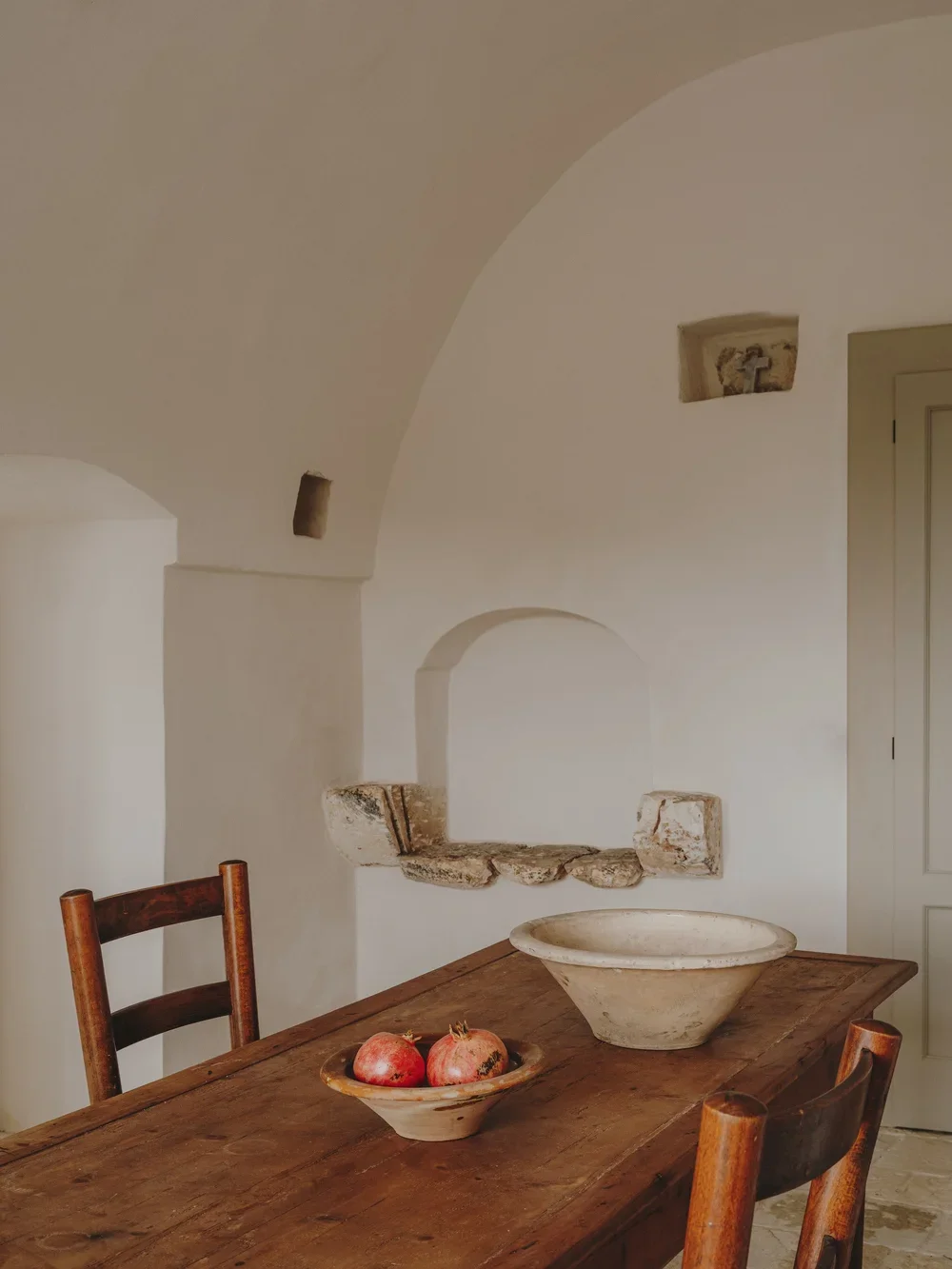

In Feng Shui, the concept of chi refers to energy, or more practically, the quality of movement and interaction within a space. When chi flows well, a space tends to feel open, supportive, and easy to move through, while blocked or stagnant chi often shows up as heaviness, clutter, or friction in daily life. This is not just a subjective feeling, but something that influences how you live and operate. A cluttered space can make it harder to focus, a poorly arranged room can affect rest and recovery, and a blocked pathway can create small but constant interruptions in your daily rhythm. When the flow improves, people often experience clearer thinking, better decision-making, and more consistent momentum, which is also where Feng Shui connects to manifestation, because what you are able to create in your life is directly linked to how you think, feel, and act, and your environment plays a role in all three.
One of the most practical ways to understand Feng Shui is to see your home as a system that gives feedback. Certain patterns in your space often correlate with patterns in your life, not as fixed rules, but as observations that can guide awareness. For example, a leaking faucet can point to energy or resources slowly draining, often connected to finances or a sense that money does not stay. Squeaky or difficult doors can indicate resistance around communication, expression, or moving forward. A cluttered or unused room, especially a guest room, can represent unused potential or areas of life that are not activated. A workspace without clear structure can make it harder to focus, leading to procrastination or lack of direction. On the other hand, spaces with good flow, balanced elements, and clear intention tend to support better routines, clearer thinking, and a stronger sense of movement in life. The point is not to overanalyze, but to begin noticing patterns and how your space may be supporting or limiting you.
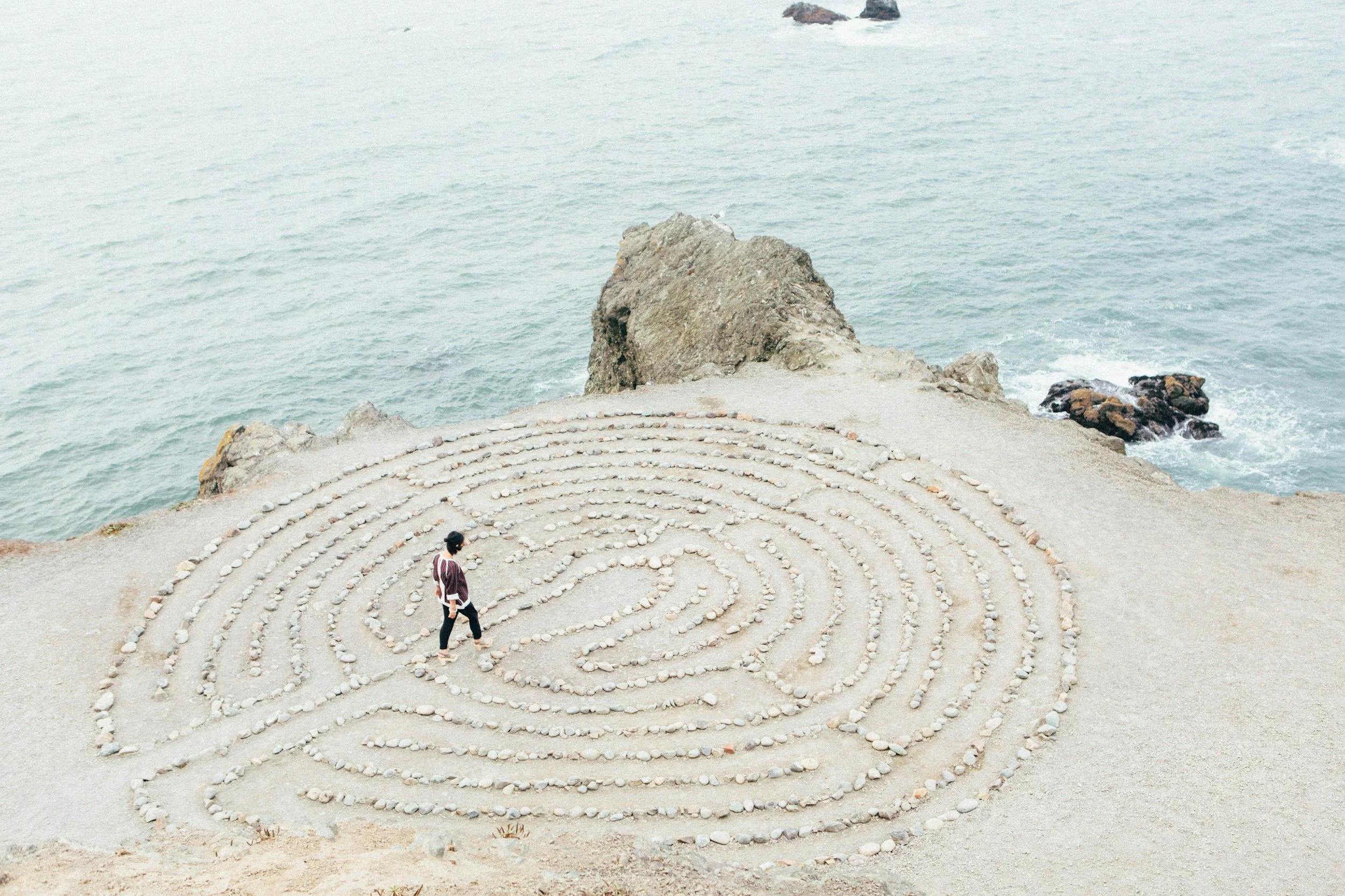
The flow of Chi in your home is the first thing I assess.
Feng Shui is not about decoration or making your home look a certain way, but about working with structure, flow, and intention to support how you live. This includes understanding the layout of your home through tools such as the bagua map, which divides your space into different life areas like career, relationships, health, and wealth, and working with the five elements, wood, fire, earth, metal, and water, to create balance. It also involves making intentional adjustments, changing placement, removing what no longer serves a purpose, and introducing elements that support what you want to create in your life. Even small changes can create noticeable shifts when they are made with clarity and purpose.
There are many schools of Feng Shui, and no single one is inherently better than another, they simply offer different approaches that resonate with different people and ways of living. The method I work with is BTB Feng Shui, Black Sect Tantric Buddhist Feng Shui, which is rooted in traditional Chinese philosophy and was brought to the West in the 1980s by Grand Master Lin Yun, who introduced it in California. From there, it developed into an approach that integrates both the physical environment and the role of intention and awareness in a way that fits modern life. What makes this approach especially relevant today is its flexibility, as it does not rely on rigid rules but instead works with how you actually live, allowing adjustments to feel supportive rather than restrictive. It recognizes that your experience of a space matters, and that real alignment comes from a combination of structure, awareness, and intentional change.
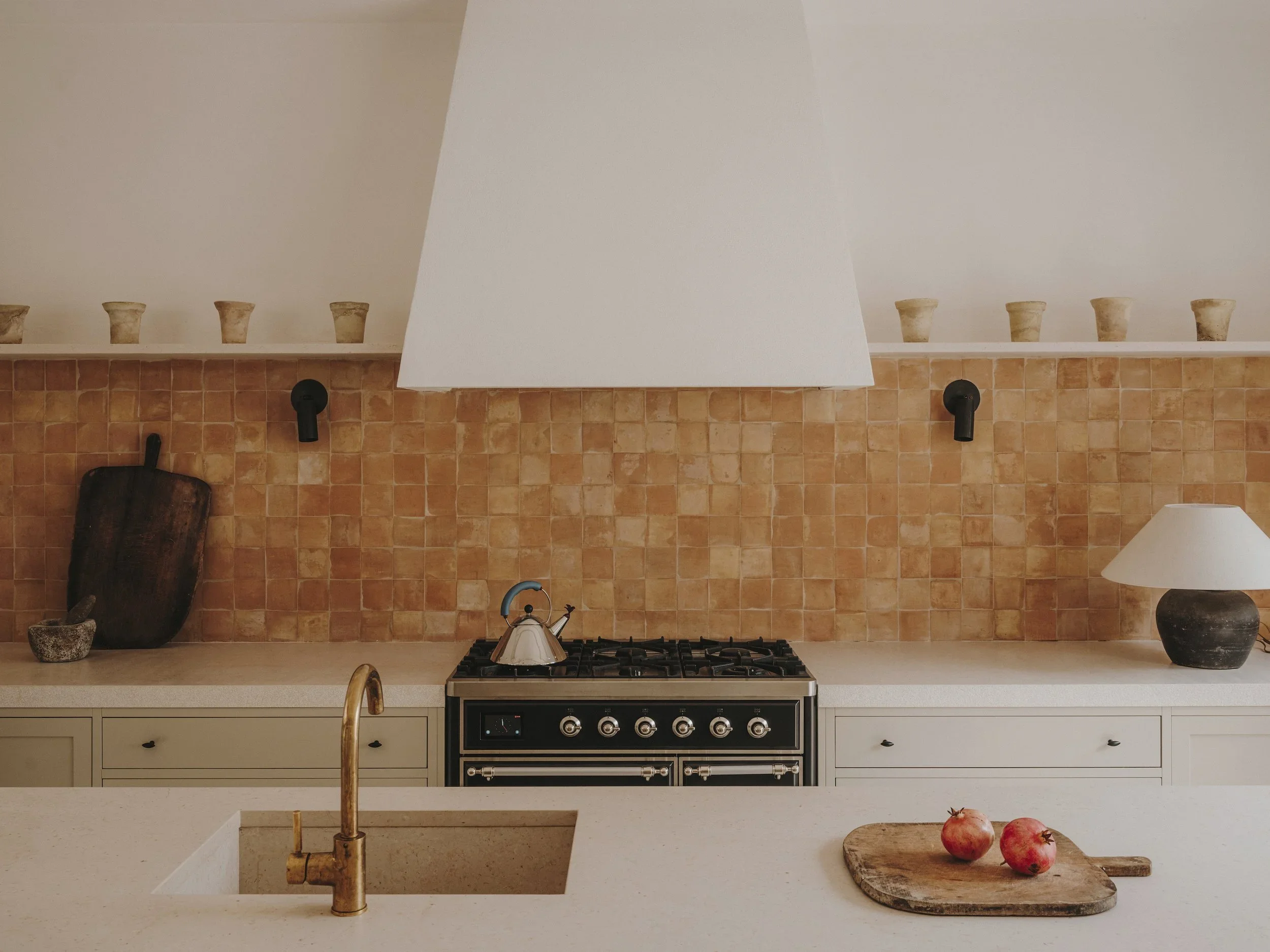
Your kitchen represents your resources and finances.
I live in Oslo and work with clients both locally and internationally, helping them understand how their environment is influencing their daily life and what can be adjusted to support them better. My approach is both structured and intuitive, beginning with a clear intention of what you want your space to support. From there, I analyze your space to identify where energy is blocked, unsupported, or out of alignment with your goals, and then we make adjustments through placement, elements, and flow to create a more supportive environment. In deeper work, I also integrate systems like Human Design and Nine Star Ki to understand how your personal energy interacts with your space, creating a more tailored and precise approach.
When your environment starts working with you instead of against you, the changes are often practical and noticeable. People experience clearer thinking, better focus, more consistent action, and improved decision-making, and opportunities tend to feel more aligned while daily life requires less effort. This is not because something external suddenly changes, but because the foundation you operate from has shifted. If you are new to Feng Shui, the most important place to start is not by changing everything at once, but by beginning to notice how your space affects you, where it supports you, and where it creates friction. From there, even small adjustments can begin to shift how your space works for you, and once you start to see it, it becomes difficult to ignore. Your home is not just where you live, it is shaping how you live, and when it starts supporting you, the results tend to follow.
Warmly, Maria.
